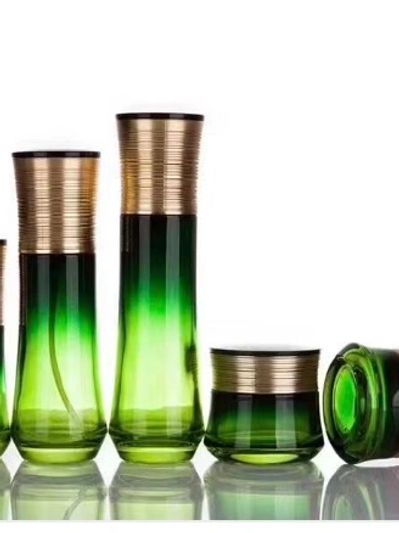
Screen printing on glass bottles is a popular surface decoration process extensively utilized in glass bottle packaging, particularly for cosmetic bottles, beverage bottles, and medicine bottles.
The process starts with cleaning the glass bottles to ensure the surface is clear of dust and oil. Following this, a screen is designed based on the artwork, and specialized glass ink is prepared, specifically formulated for this purpose.
During the printing process, it's essential to manage the viscosity of the screen printing ink, the pressure applied by the squeegee, and the distance between the screen and the glass bottle to achieve optimal results.
After printing, baking and curing are vital steps to ensure a robust bond between the specialized glass ink and the glass surface. This method provides significant advantages, including high image precision, vibrant colors, and outstanding wear resistance.
Unlike labeling, screen-printed designs adhere directly to the glass bottle, which prevents issues like peeling or flaking. This technique also allows for a variety of special effects, such as frosted, glossy, and pearlescent finishes, catering to diverse aesthetic preferences.
In practical applications, ensuring that the glass bottle packaging ink selection complies with food safety standards is crucial, especially for food packaging purposes.
Additionally, different shaped glass bottles require specialized clamps for secure fixing, ensuring precise printing positioning.
Maintaining strict control over ambient temperature and humidity is also critical during production to prevent any negative impact on ink flow and curing performance. With technological advancements, multi-color printing and gradient effects have become achievable, greatly expanding the possibilities for product design.
This traditional technique continues to be essential in modern manufacturing, consistently adding value to various products through ongoing innovation.